When considering faucet longevity, many overlook a key aspect: water quality. Why is water quality important for faucet life? Poor water quality can lead to various issues, including corrosion and mineral buildup. Over time, these problems can significantly shorten the lifespan of your faucet.
Hard water, which contains high levels of calcium and magnesium, is especially problematic. It can create deposits that impede water flow and damage internal components. Regular maintenance becomes essential in such cases. However, preventative measures can be more effective. Ensuring good water quality from the start can save homeowners time and money in the long run.
Moreover, the health of your plumbing system is directly linked to water quality. Contaminants can not only affect your faucet but also pose risks to your health. Investing in water treatment systems may provide both clean water and peace of mind. Ultimately, understanding why water quality is crucial for faucet longevity is vital for every homeowner. Neglecting this aspect invites unnecessary repairs and replacements.
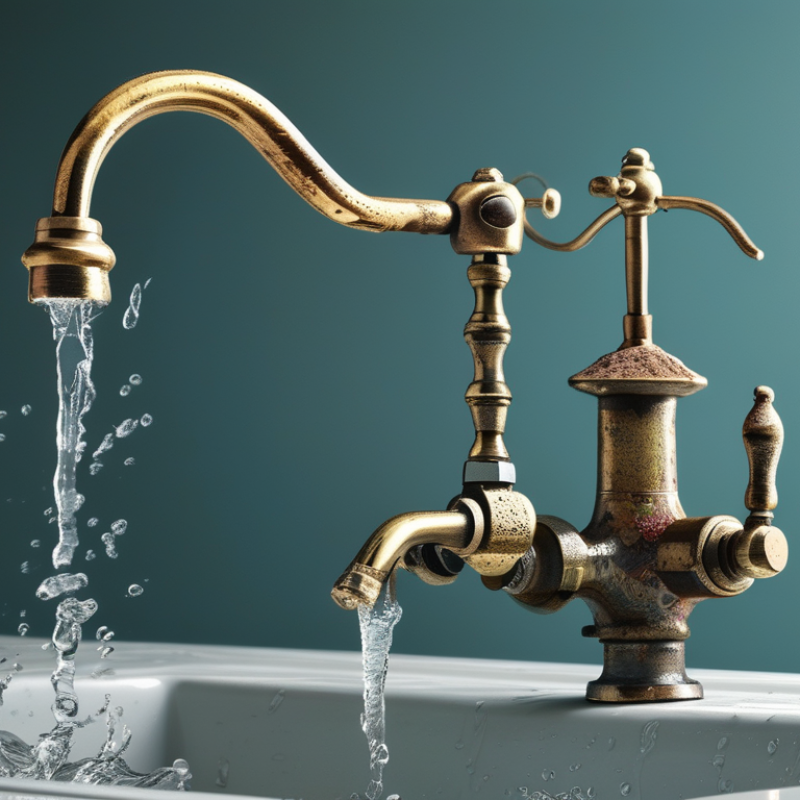
Water quality plays a vital role in the performance of your faucet. Clean water not only ensures better taste but also affects how your faucet functions. Contaminants like sediment and chlorine can wear down faucet parts. Over time, this can lead to leaks and reduced water pressure. It may seem minor at first, but these issues can escalate quickly.
Moreover, mineral buildup from hard water impacts the aerator and cartridge. Regular maintenance is essential, but it depends heavily on the water's quality. If you experience frequent clogs or a decrease in flow rate, reassess your water source. Sometimes, the issue is deeper than a simple clog—it could indicate overall water quality deterioration.
Using filters can significantly improve water quality, but they require upkeep as well. Ensure that they are changed regularly to maintain effectiveness. Neglecting this aspect creates a false sense of security. It's essential to recognize that faucet longevity isn't solely about the fixture itself. It's also about the water that flows through it.
| Water Quality Parameter | Impact on Faucet | Recommended Levels |
|---|---|---|
| pH Level | Corrosion or Scale Build-Up | 6.5 - 8.5 |
| Hardness (CaCO3) | Mineral Deposits & Clogging | 0 - 60 mg/L (Soft) |
| Chlorine | Taste & Odor Issues | < 4 mg/L |
| Turbidity | Visual Clarity and Possible Contaminants | < 1 NTU |
| Lead | Health Risks & Faucet Damage | < 0.01 mg/L |
Water quality plays a critical role in the longevity of your faucet. Research shows that contaminants like sediments, minerals, and chemicals can significantly impact durability. A report from the Water Quality Association notes that hard water, which contains high levels of calcium and magnesium, can lead to mineral buildup inside faucets. This buildup not only restricts water flow but also accelerates wear on internal components.
Additionally, other harmful substances, such as chlorine or heavy metals, may corrode faucet materials. A study by the Environmental Protection Agency indicates that prolonged exposure to such contaminants can decrease a faucet's lifespan by up to 50%. These effects are often invisible until it is too late. Many homeowners overlook the need for regular water testing and treatment, which can enhance faucet durability.
In essence, poor water quality does more than affect taste; it undermines the materials and functionality of your faucets. Flushing sediments and using proper filtration systems can mitigate these issues. However, recognizing these challenges is the first step towards making informed decisions about water treatment and faucet maintenance.
Water quality plays a crucial role in the longevity of your faucet. The pH level and hardness of water significantly impact its lifespan. Ideal pH levels range from 6.5 to 8.5. Extreme pH levels can cause corrosion or mineral buildup in faucets. According to the Water Quality Association, water with pH below 6.5 can increase the risk of metal leaching, leading to costly repairs.
Water hardness is another key factor. Hard water contains higher levels of calcium and magnesium. This can lead to limescale buildup in faucet aerators and valves. In fact, 85% of homes in the United States have hard water, which can compromise faucet performance over time. Regular maintenance, like cleaning aerators, can help mitigate these effects.
**Tip:** Test your water's pH and hardness regularly to understand its impact on your plumbing. Use filters or softeners if necessary.
When choosing fixtures, ensure they are designed to withstand specific water conditions. Many homeowners overlook this aspect, leading to premature faucet failures. Ignoring water quality can result in frequent replacements, which is both frustrating and costly.
This chart illustrates the correlation between water pH levels, water hardness (measured in mg/L), and the potential impact on faucet longevity. As the water hardness increases and pH shifts from neutral (7), faucets tend to exhibit signs of wear and tear more rapidly.
Maintaining water quality is essential for the longevity of your faucets. Poor water quality can lead to mineral buildup and corrosion. These issues can cause leaks and reduce the efficiency of your plumbing system. Regular faucet maintenance can help prevent these problems. Check your water hardness regularly. If you notice scale buildup, you might need a water softener.
Cleaning your faucet aerator is another vital step. It can collect debris over time, affecting water flow. Simply remove it, soak it in vinegar, and scrub it gently. This method helps maintain optimal performance. Regularly inspect for leaks or drips, as these can waste water and compromise your plumbing. A small leak can escalate into a significant problem if ignored.
Consider testing your water for contaminants. Elevated levels of certain substances can affect both health and plumbing. If you detect any issues, taking appropriate action is crucial. Consulting with a plumbing expert can provide valuable insights on water filtration systems. It is important to address these concerns proactively rather than waiting for a problem to arise.
Water quality significantly affects the longevity of your faucets. Impurities in water can lead to serious issues that shorten their lifespan. If you notice discoloration, a metallic taste, or mineral build-up in your faucet, these are clear signs of water quality problems. Hard water can lead to limescale deposits, while contaminants can cause corrosion. Over time, these issues can lead to leaks or complete failure.
To maintain your faucets, regularly inspect them for any visible signs of wear. Pay attention to the water pressure. If it suddenly changes, it may indicate underlying water quality issues. Additionally, consider using water filters or softeners to improve water quality. They can help prevent harmful build-up in your plumbing.
One essential tip is to flush your faucets periodically. Run cold and hot water for a few minutes to clear out any stagnant water. This can reduce contaminants that may settle in your faucet. Stay informed about your local water quality reports. Knowing what’s in your water can help you make informed decisions for your home. Small actions can make a big difference in your faucet longevity.
: Water quality affects taste and faucet function. Contaminants can damage parts, leading to leaks and reduced pressure.
High contaminants can lead to clogs and decreased flow. This indicates a deeper water quality issue that needs attention.
Hard water causes mineral buildup that impacts aerators and valves. This can worsen faucet performance over time.
Ideal pH ranges from 6.5 to 8.5. Extreme pH can cause corrosion or build-up in faucets.
Regular cleaning of aerators can help. Consider using filters or softeners for better water quality.
If clogs are frequent, reassess your water source. It may indicate overall quality deterioration, not just a clog.
Regular filter changes are essential. Neglecting this can lead to decreased effectiveness and a false sense of security.
Ignoring water quality and not selecting durable fixtures can cause premature failures. This can lead to costly replacements.
No, it also depends on the quality of water. Regular maintenance and clean water are crucial for longevity.
Yes, low pH can increase metal leaching risks. This often results in expensive repairs that could have been avoided.
Water quality plays a crucial role in determining the longevity and performance of your faucet. Why is water quality important for faucet life? Contaminants such as sediments, chlorine, and heavy metals can lead to corrosion and degradation of faucet components, ultimately reducing their lifespan. Additionally, factors like pH levels and water hardness significantly influence how these contaminants interact with your faucet, further affecting its durability.
To ensure optimal water quality, regular maintenance is essential. This includes periodic testing of water for contaminants, adjusting pH levels, and managing mineral deposits. Be aware of signs such as unusual noises, water discoloration, or reduced flow, which may indicate underlying water quality issues that can impact your faucet's functionality. By prioritizing water quality, you can extend the life of your faucet and maintain its efficient performance.
Zhishang Sanitary Ware